How to choose a comic for a child who avoids reading
Check the pictures, speech bubbles and vocabulary before buying a comic for a reluctant reader.
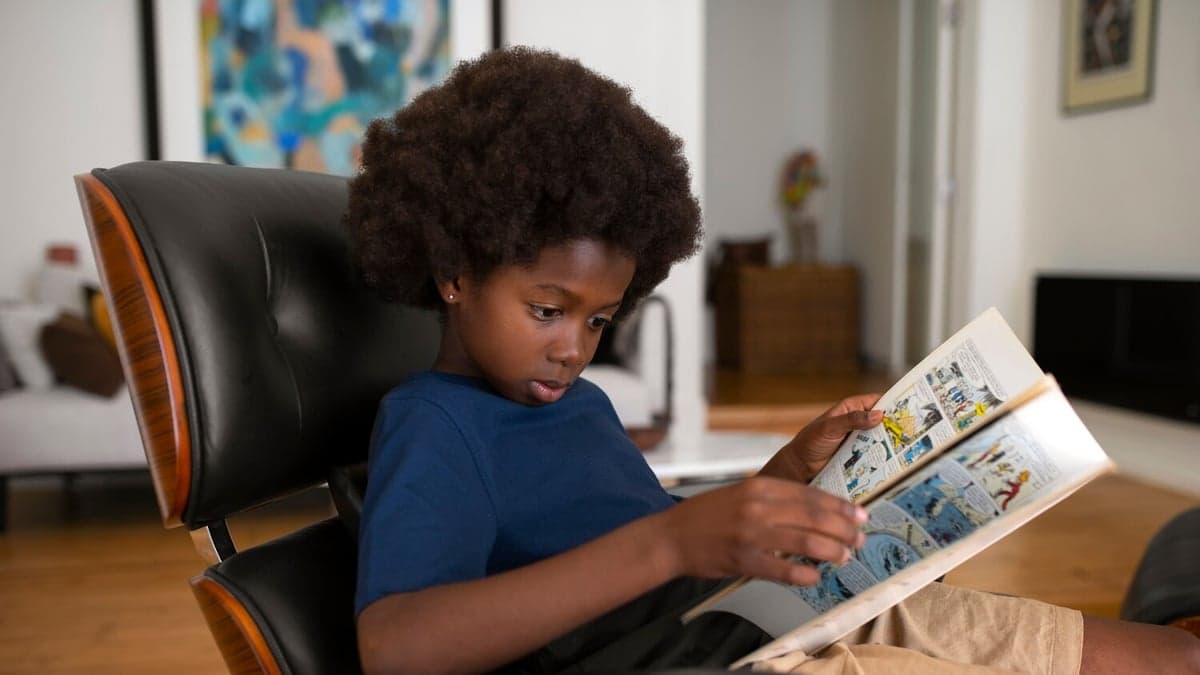
Start with what they already like
If your child avoids books but picks up a comic, ask what caught their eye. A funny character? Animals? Less text on the page? Use that answer when choosing the next one.
Parents ask about this at school too. A teacher-librarian at Canadian International School in Singapore discusses reluctant reading, book choices and graphic novels. The suggestions here are things to try while browsing with your child.
Look at a page in the middle
Before buying a whole series, open one comic and ask your child where they would start reading. Which speech bubble comes next? Let them point out the route through the panels. An appealing cover doesn’t tell you how easy the pages are to follow.
Read a short exchange together. A few unfamiliar words can give you something to talk about. If you have to stop at almost every bubble, look for another comic or offer to read some of it aloud.
Give them two choices
“Animals or inventions?” gives a child something to choose between. Show them two comics you’ve checked and let them pick. They can change their mind after a few pages.
Take turns with the dialogue if they want help getting started. If they look through the pictures first, ask what they think happened, then read the words together.
Ask about one panel
After the story, try asking, “Which bit would you tell someone else about?” They can point to a panel if they don’t feel like explaining it. Leave a longer comprehension exercise for another time, unless that’s what you agreed to do.
Notice what happens next. Do they reread a page, ask for another story or put the comic down? That can help you choose the next one. It takes more than one reading session to know whether a format will stick.
Would they enjoy a news comic?
Our sample lets you check the topics and language before subscribing. Look through it yourself, then show your child a story they might like. If you use an archive issue, explain when it was published.
If you’re concerned about your child’s reading, speak with their teacher about the support they need.
More from the blog
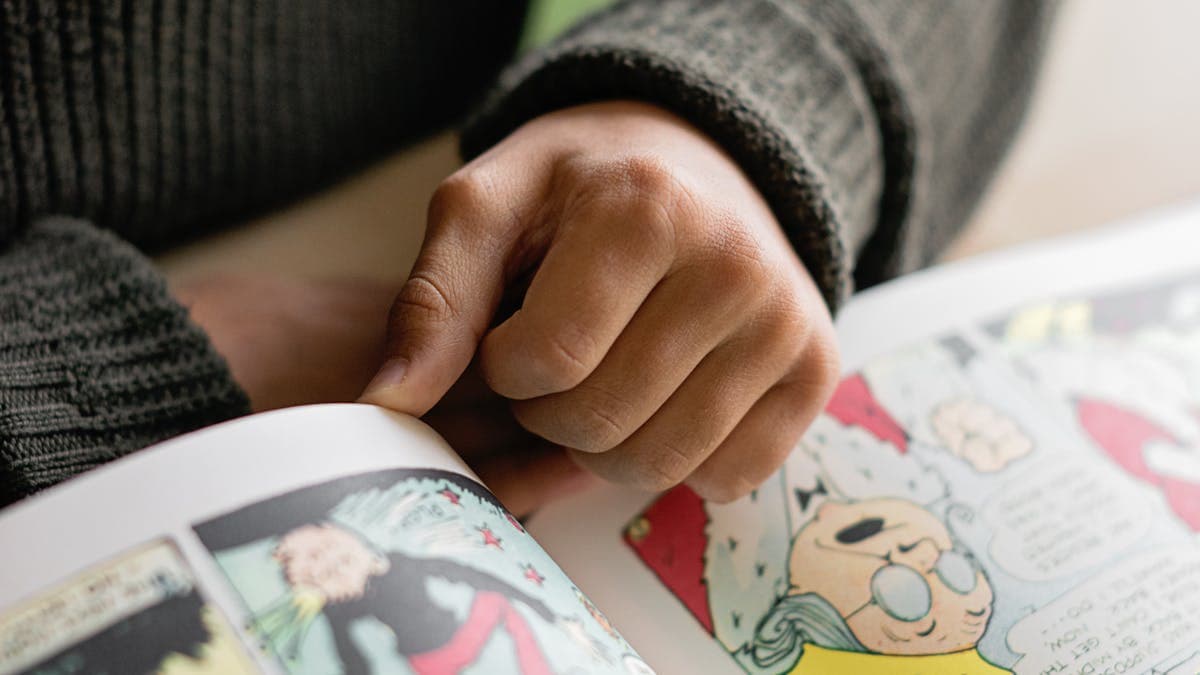
Why Comics Actually Help Your Child Read Better (Yes, Really)
Think comics are just junk food for the brain? Research says otherwise. Here's how illustrated stories build vocabulary, comprehension, and a love of reading.

How to print a comic and read it with your child
Print a story from our sample PDF, take turns reading and talk about a favourite panel.