How to talk about current affairs with primary-school kids in Singapore
How to choose a news story, explain unfamiliar details and make room for your child’s questions, including when a headline worries them.
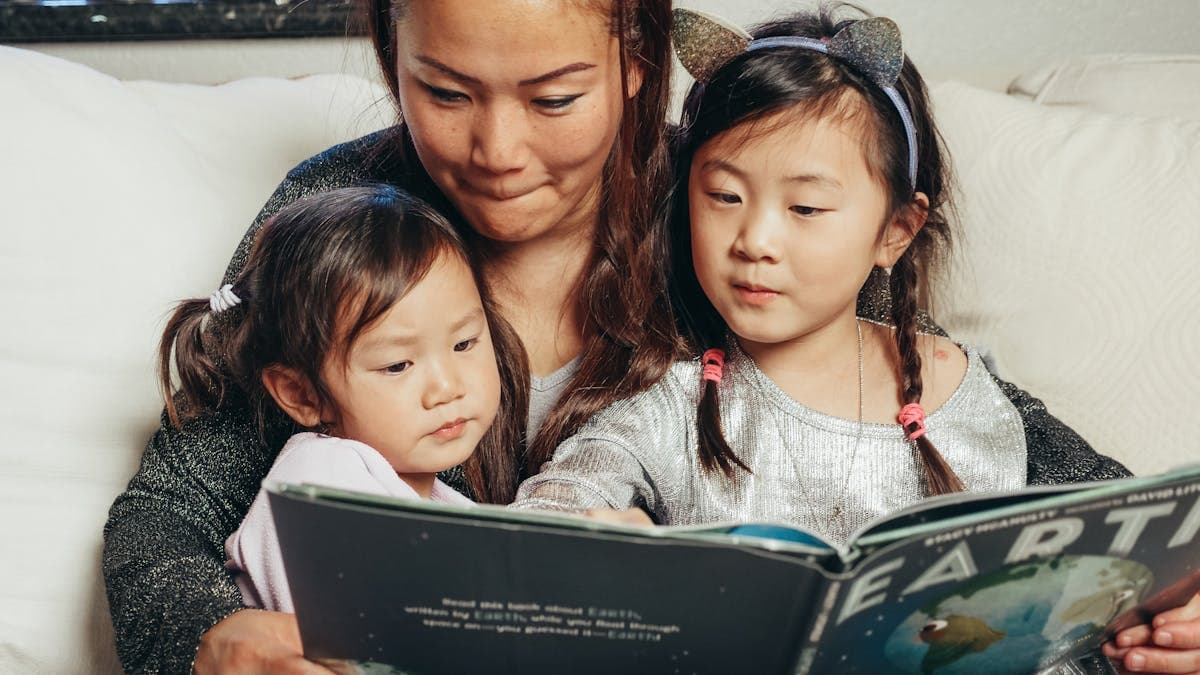
Why would a company stop making a drink that people still buy? The news about Yakult replacing orange with peach gives you a way into that conversation with your child. A familiar subject makes it easier to begin.
Start with one story, read it together and follow the questions it raises. Explaining why a flavour changed can lead to a conversation about factories or an argument about which flavour should have stayed.
Choose a story with a clear starting point
Look for a report that makes it easy to follow what happened, where and who was involved. Read it yourself first, including the pictures and captions, so you can decide whether it suits your child.
For a child interested in animals, a local wildlife story offers a familiar place to begin. For a sports fan, a result can lead to a conversation about training or the rules of a competition. Use their interest to choose the subject; it doesn't have to be the biggest story of the day.
Give unfamiliar details some context
A place name, abbreviation or new word can stop a story making sense. Open a map, explain who an organisation is, or work through one sentence together.
Explain enough for the next part of the story to make sense, then carry on reading. If the map catches their interest, you can spend longer with it.
Share a thought of your own
An opening such as “I'd be disappointed if my favourite flavour disappeared” gives your child something to respond to. They might agree, defend the replacement or tell you the flavour they would choose instead.
Follow the part that catches their attention. If they ask why a decision was made, look at the reason in the report. If they want to argue for a different choice, hear them out. You can disagree and still enjoy the conversation.
When a headline worries them
Begin by asking what they've heard and how they feel. Listen before adding details, answer in language they understand and give them room to stop. UNICEF's guidance on talking about conflict recommends honest, age-appropriate conversations and paying attention to children's reactions.
If you don't know an answer, say so and look it up together when you're ready. You can revisit the conversation later; there is no need to resolve every question at once.
Make room for the next conversation
Save a story you think they'll like and bring it out when you have time to read together. Over breakfast or at the weekend, you can start with the simple reason you chose it: “This made me think of you.”
More from the blog
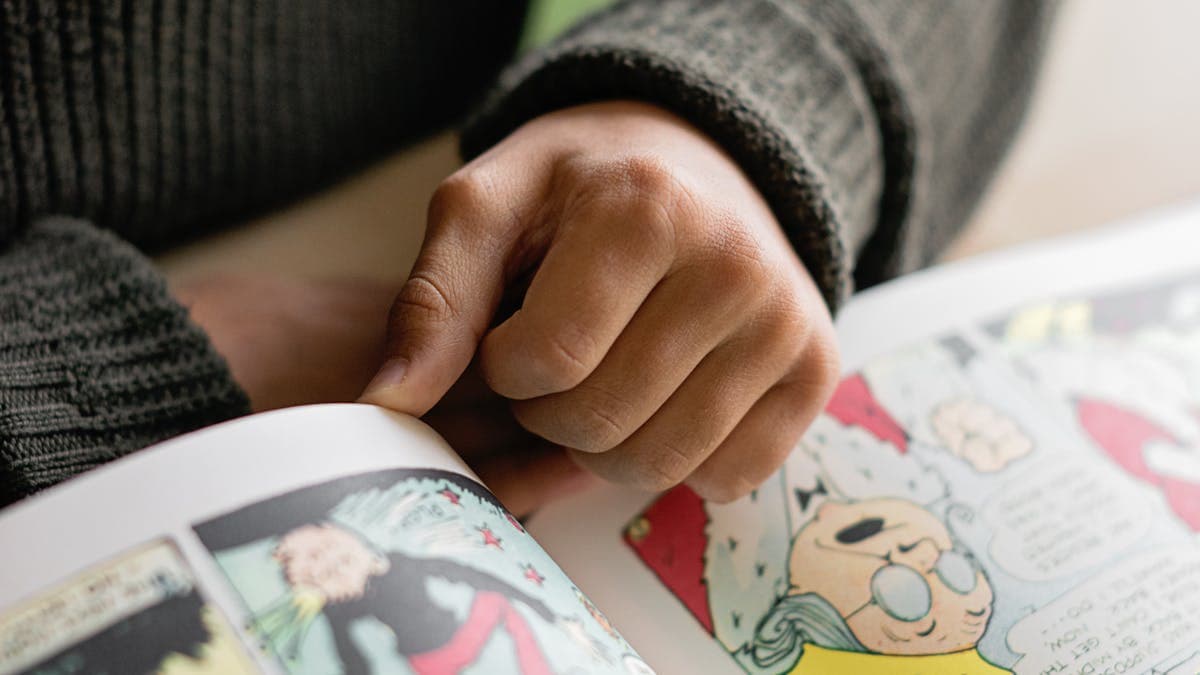
Does reading comics count as reading?
Why reading comics counts: how children follow dialogue, interpret pictures and connect panels, plus what to look for when choosing a comic.

Making room for reading when your child likes screens
Choose a reading routine that fits your family, with practical options for paper books, digital comics and sharing a device.